NVIDIA AI Hardware Expands Local Intelligence Capabilities
Gerardo Delgado
The Skyward angle
NVIDIA's recent showcase at GTC Berlin highlights significant advancements in local AI hardware, which could greatly benefit educators and students in Africa. The introduction of RTX Spark personal agents and DGX Spark systems offers tools for enhanced learning experiences and application development, fostering creativity and innovation in the classroom. As access to these technologies expands, they promise to empower educators and learners alike, driving a new era of personalized and efficient educational practices.
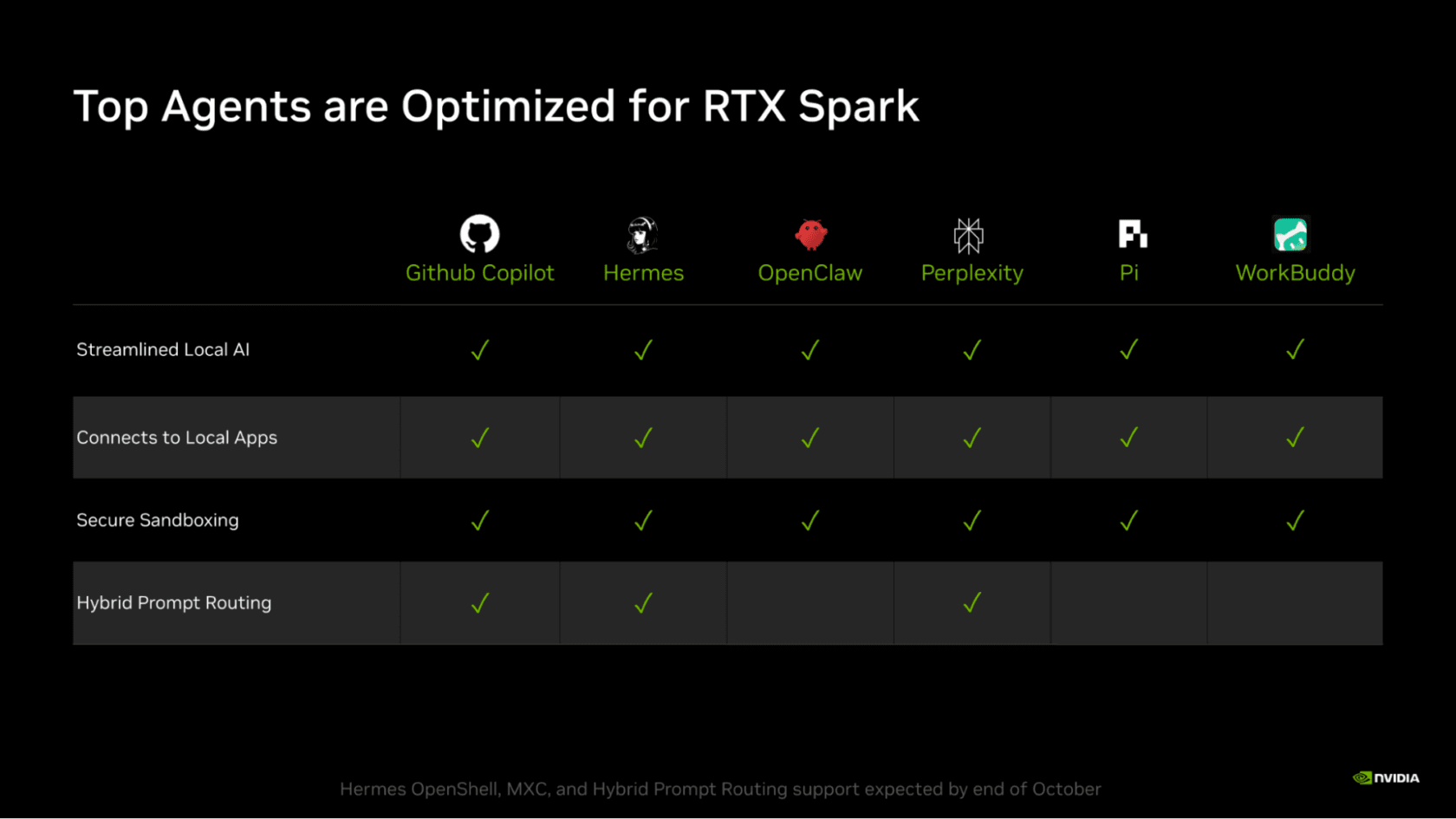
Based on NVIDIA AI BlogNVIDIA has unveiled its latest innovations in AI hardware at GTC Berlin, focusing on local intelligence solutions. Key announcements include the launch of the RTX Spark for personal agents on Windows PCs, the DGX Spark for developers on Linux, and the DGX Station for enterprise teams. These platforms aim to enhance AI capabilities across different user levels, from individual creators to large enterprise teams. New software updates and integrations are also set to improve functionality and user experience.
Why this matters
The advancements in NVIDIA's AI hardware reflect a significant shift towards empowering users with localized AI capabilities. This move allows users to run complex AI models directly on their devices without relying on cloud services, offering greater privacy, reduced latency, and potentially lower costs. This localization of AI intelligence could revolutionize how applications are developed and used across various sectors, from creative industries to enterprise solutions.
What it means for learners and teachers in Africa
The introduction of NVIDIA's local AI hardware could have profound implications for education in Africa. With the potential for reduced reliance on internet connectivity, learners and educators could access advanced AI tools even in areas with limited internet access. This can democratize access to AI-driven educational resources and enable the development of localized educational content tailored to specific regional needs.
Cost remains a crucial factor. While high-end hardware may be expensive, institutions and governments could explore partnerships or subsidies to make these technologies more accessible. Additionally, the skills required to operate and develop with these new tools could drive curriculum changes in computer science and engineering programs, preparing students for the evolving job market.
What to watch next
As NVIDIA continues to roll out its AI hardware, the focus will be on how quickly these innovations can be integrated into existing educational and enterprise systems. The upcoming release of the DGX Station for Windows in December will be particularly interesting, as it could open up new opportunities for using AI in professional applications and education. Stakeholders should watch for collaborations between NVIDIA and educational institutions that could lead to pilot programs and case studies demonstrating the technology's impact.
Based on reporting by NVIDIA AI Blog. Written by Skyward.