MIT’s Concourse Program Highlights AI’s Role in Humanistic Study
Elizabeth Durant | Division of Graduate and Undergraduate Education
The Skyward angle
The integration of artificial intelligence into education, as highlighted by MIT's Concourse program, emphasizes the importance of humanistic inquiry in understanding what it means to be human. This approach encourages African learners and teachers to engage with fundamental questions of existence and intelligence, fostering a rich dialogue that complements scientific and mathematical studies. By promoting a diverse and collaborative learning environment, programs like Concourse help students develop critical thinking skills essential for navigating complex societal issues.
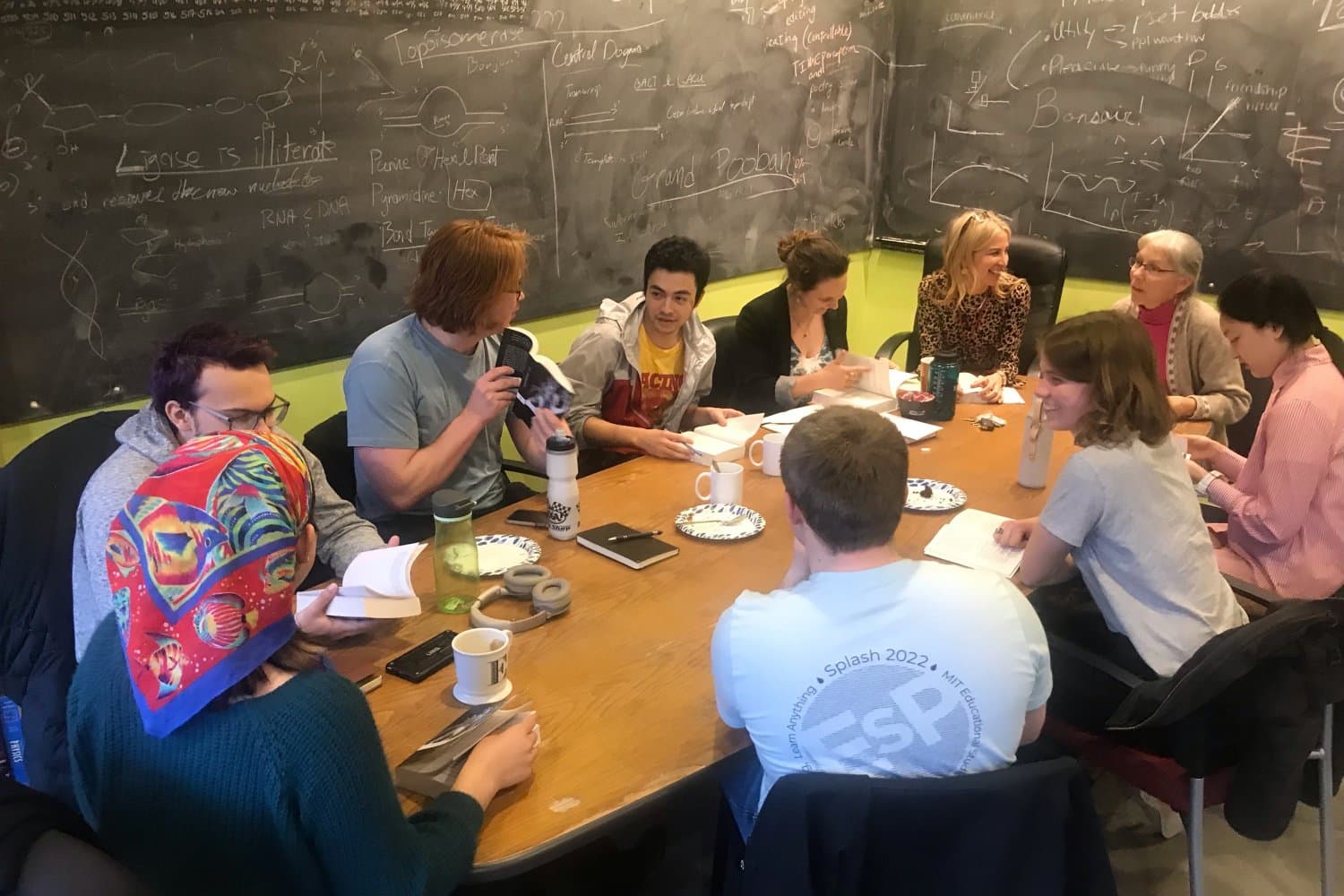
Based on MIT News — AIAt the Massachusetts Institute of Technology (MIT), the Concourse program is offering a unique perspective on artificial intelligence (AI) by integrating it into discussions about human existence and intelligence. Linda Rabieh, a senior lecturer in the program, emphasizes that AI is benefiting their field of humanistic inquiry by prompting students to question what it means to be human. This approach allows students to explore whether intelligence is merely mathematical or informational, or if there is something inherently unique about human cognition. The program has been a part of MIT since 1970, providing a liberal arts experience alongside the institute's science, math, and engineering courses.
The Concourse program enrolls 50 first-year students annually. It serves as a microcosm of a liberal arts college within MIT, fostering a space where students from diverse backgrounds, including athletes and those with little prior exposure to the humanities, engage in deep discussions. Topics range from the human condition to practical political and moral issues, such as gene therapy and immigration. The program's participants share classes and meals, building a strong community that encourages open dialogue and critical thinking.
Why this matters
The integration of AI into humanistic studies is significant as it addresses the evolving landscape of education. At a time when AI is becoming increasingly prevalent, understanding its implications on human intelligence is crucial. The Concourse program highlights the importance of nurturing critical thinking and judgment in non-quantitative areas, equipping students to navigate complex moral and political questions. This model serves as a blueprint for other educational institutions aiming to balance technical proficiency with a deeper understanding of human values.
What it means for learners and teachers in Africa
For educators and students in Africa, the approach taken by MIT's Concourse program can offer valuable insights. The blend of technical and humanistic studies could address the challenges of limited access and resources by emphasizing critical thinking and problem-solving skills, which are essential for adapting to rapidly changing landscapes. Implementing similar programs could enhance the relevance of education systems in Africa, preparing students for global challenges while retaining local cultural contexts. The focus on debating and discussing real-world issues could also make education more engaging and applicable to students' lives, fostering a generation of thinkers capable of innovative solutions in their communities.
What to watch next
As the Concourse program continues to evolve, its new leadership under Ford Professor of Political Science Lily Tsai may bring fresh perspectives and initiatives. Observers should keep an eye on how the program further integrates AI into its curriculum and whether it inspires similar educational models worldwide. Additionally, the program’s ability to attract diverse student backgrounds and foster a collaborative learning environment could serve as a case study for other institutions aiming to create inclusive and interdisciplinary educational experiences.
Based on reporting by MIT News — AI. Written by Skyward.