Google's Playground: A New Era in Game Creation
The Skyward angle
Playground is an innovative gaming platform that empowers learners and educators to create, play, and share custom games without the need for coding skills. By lowering the barriers to game design, it encourages creative expression and collaboration among students, fostering a vibrant community where ideas can be easily transformed into playable experiences. This tool not only enhances digital literacy but also provides an engaging way for teachers to incorporate interactive learning in their classrooms.
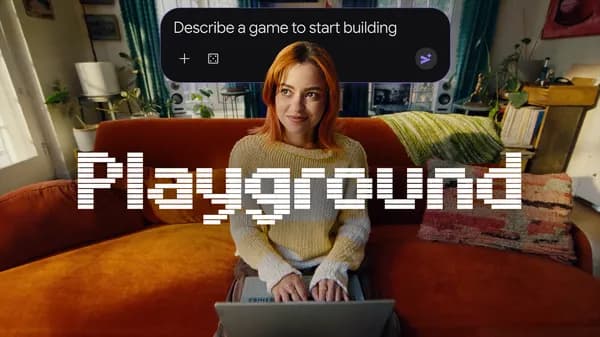
Based on Google AI BlogGoogle has unveiled Playground, an innovative platform designed to simplify the game creation process. This new tool allows users to develop, play, and share custom games without needing any prior coding skills. Through a conversational interface, creators can bring their game ideas to life by simply typing their concepts. From modifying game physics to customizing characters, users have full creative control over their projects.
Playground is accessible through browsers, enabling users to play games on various devices like phones and laptops. The platform also features a growing library of community-created games. Once a game is completed, creators can choose to share it privately or publish it to the Playground Explore gallery for wider community engagement. The platform supports multiplayer options and in-game leaderboards in selected genres, fostering a competitive and interactive gaming experience.
Why this matters
The introduction of Playground represents a significant shift in how games can be created and shared. Traditionally, game development has been a domain reserved for those with specialized technical knowledge. By removing these barriers, Playground democratizes the creative process, allowing a broader audience to participate in game development. This opens up opportunities for more diverse and innovative content, as individuals from different backgrounds can contribute their unique perspectives and ideas.
What it means for learners and teachers in Africa
For learners and educators in Africa, Playground's accessibility and ease of use could serve as powerful tools for educational engagement and skill development. The platform's text-prompt-based creation process could be integrated into educational curriculums, offering students hands-on experience in digital creativity without the need for expensive software or hardware. This can be particularly beneficial in regions with limited access to technical resources.
The ability to create games without coding knowledge lowers the entry barrier for students interested in technology, potentially inspiring future careers in the digital space. Moreover, teachers can use Playground to create educational games tailored to specific learning objectives, making lessons more interactive and engaging. As many parts of Africa face challenges in educational resource availability, Playground could provide an innovative resource to enrich learning experiences.
What to watch next
As Playground continues to develop, one key aspect to watch is the upcoming integration with Unity Spark. This feature promises to enhance the capabilities of Playground, offering more advanced tools for those ready to elevate their game development skills. The testing phases and eventual release of Unity Spark will be crucial in determining how well Playground can transition users from simple game creation to more complex projects.
Additionally, monitoring the platform's rollout beyond the initial U.S. launch, and observing how it is adopted in different regions, including Africa, will be important. The success of Playground in diverse markets will depend on its ability to cater to the specific needs and limitations of each region. Furthermore, as Playground evolves, watching how the community shapes the platform through feedback and shared creations will provide insights into its long-term viability and impact on the global gaming landscape.
Based on reporting by Google AI Blog. Written by Skyward.