NVIDIA Opens Up AI Infrastructure to Scale AI Factories Globally
NVIDIA Writers
The Skyward angle
NVIDIA's recent announcements at the OCP Global Summit highlight the importance of open standards in scaling AI infrastructure, which is crucial for the future of education and technology across Africa. By contributing to the development of the Vera Rubin architecture and various AI factory designs, NVIDIA is paving the way for more efficient and reliable AI systems that can enhance learning experiences and teaching methodologies. This collaborative approach not only fosters innovation but also ensures that educators and learners have access to cutting-edge resources that can drive educational advancements on the continent.
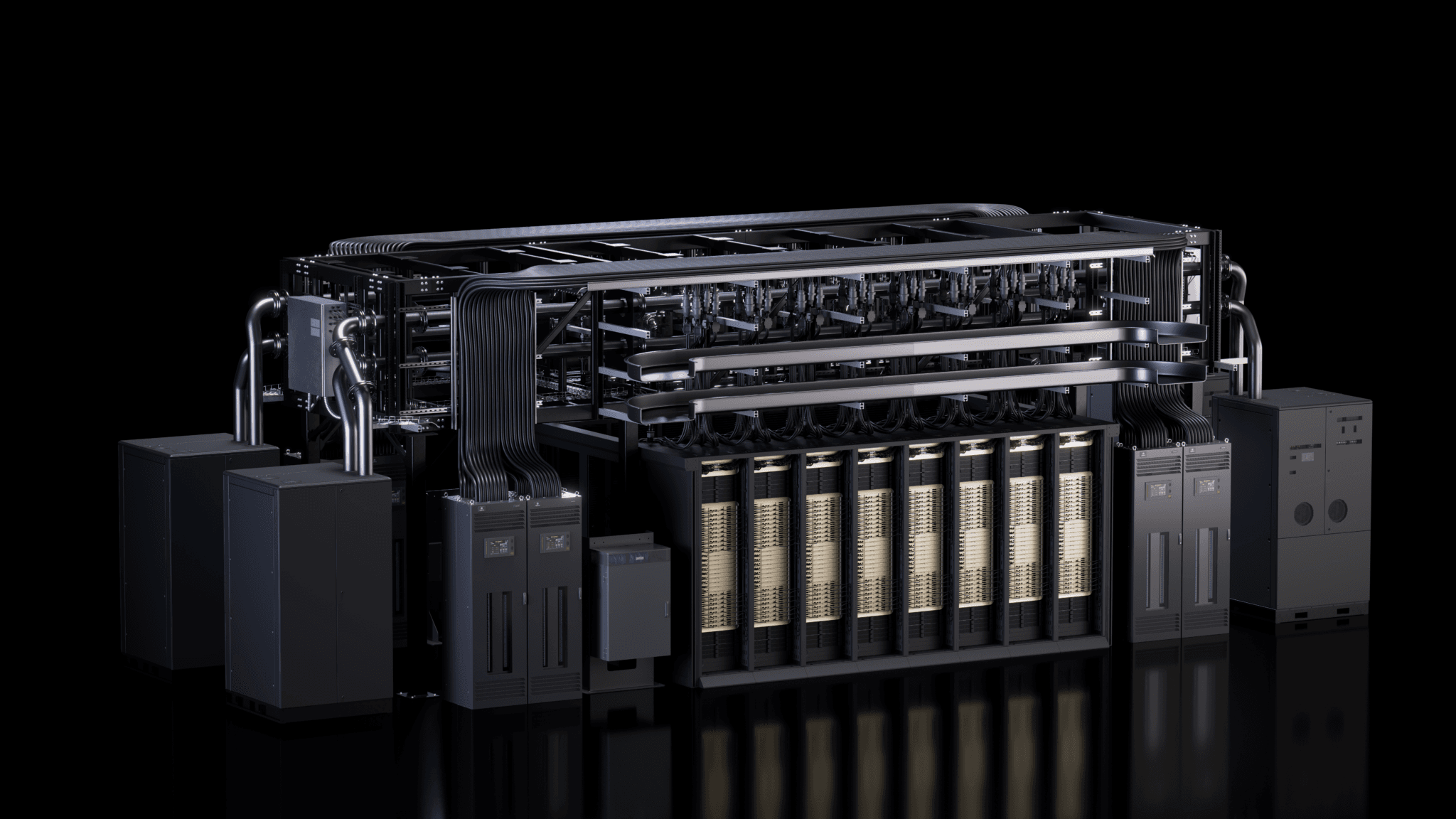
Based on NVIDIA AI BlogAt the Open Compute Project (OCP) Global Summit held in San Jose, NVIDIA announced significant developments in AI infrastructure. The company introduced new partnerships and made contributions to open standards, aimed at establishing a shared foundation for next-generation AI factory infrastructure. Key among these contributions is the NVIDIA Vera Rubin rack and compute tray designs, provided through the open NVIDIA MGX architecture. This move is expected to assist system builders in developing advanced infrastructure for AI factories globally.
The announcements include collaborations with industry giants like Meta, Google, and Cisco. They focus on open standards and innovations such as the NVIDIA Spectrum-X Ethernet SuperNIC and Spectrum-6. New components for the NVIDIA DSX AI Factory platform were also launched, enhancing computing, networking, and power efficiency. These steps underline NVIDIA's commitment to accelerating the deployment and efficiency of AI factories worldwide.
Why this matters
As AI factories transition from megawatt to gigawatt scales, the need for more robust and efficient infrastructure becomes crucial. By adopting open standards, the industry can scale AI infrastructure more rapidly and reliably, which is essential for meeting the growing demand for AI capabilities. NVIDIA's contributions provide a unified platform that integrates computing, networking, power, cooling, and software. This comprehensive approach is designed to optimize AI factory operations, making them more efficient and capable of supporting more complex AI applications.
What it means for learners and teachers in Africa
For learners and educators in Africa, these developments could have a significant impact. Access to advanced AI infrastructure can be cost-prohibitive, but open standards and shared platforms could lower barriers to entry. This is vital in regions where educational institutions may struggle with funding and resources. As cloud providers and software partners integrate these AI factory capabilities, African institutions could tap into these resources for enhanced learning and research opportunities.
Moreover, the skills required to operate and maintain AI infrastructure will become increasingly relevant. Educational programs focusing on AI, computing, and networking can incorporate these new technologies, preparing students for future careers in tech fields. The relevance of these skills in exams and curricula will also grow, as the continent seeks to build a workforce capable of contributing to the global AI landscape.
What to watch next
Going forward, it will be important to monitor how quickly and widely these open standards are adopted by technology companies and educational institutions. The pace at which African institutions can access and utilize these resources will be crucial in determining the region's ability to leverage AI technologies effectively.
Additionally, the development of localized AI applications that address specific regional challenges in Africa will be an interesting area to watch. As infrastructure costs decrease and access improves, there is potential for innovative solutions tailored to local needs. This could include applications in healthcare, agriculture, and education, sectors where AI can make a significant impact.
Based on reporting by NVIDIA AI Blog. Written by Skyward.