BLOG
AI news & insights
The latest in artificial intelligence, curated from trusted sources for learners across Africa.
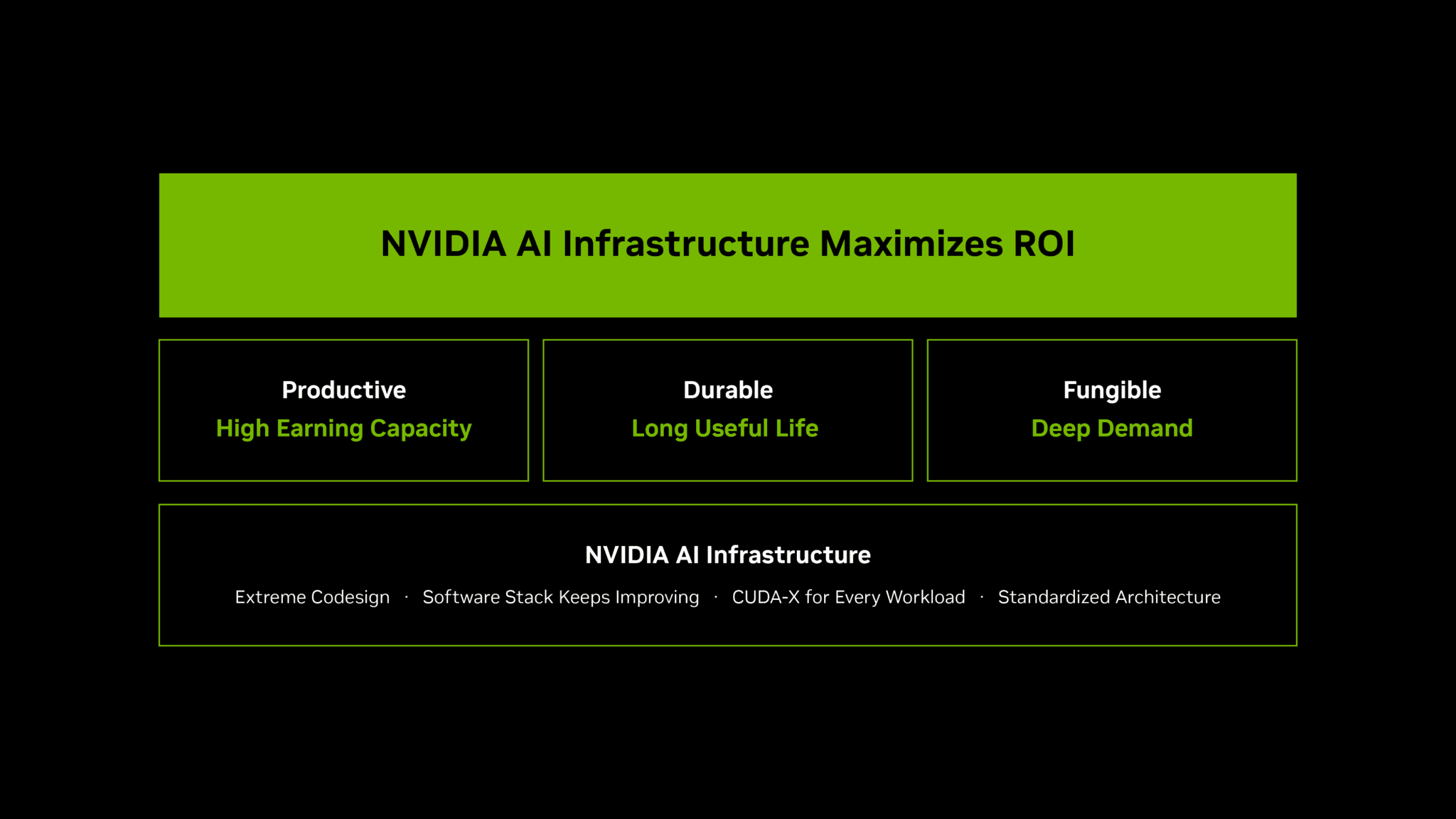
Productive, Durable, Fungible: How NVIDIA AI Factories Maximize Return on Investment
NVIDIA's development of AI factories, designed to be productive, durable, and fungible, presents significant implications for the education sector in Africa. By maximizing returns on investment through efficient token production and versatile workload management, these factories could enhance access to advanced AI technologies for educational institutions. This advancement not only supports teachers in delivering innovative learning experiences but also prepares students for a future increasingly shaped by AI.
Barclays scales Claude to upgrade operations and improve client experience
Barclays is enhancing its operations by expanding its collaboration with Anthropic to implement advanced AI systems across its global network. This initiative aims to modernize processes, improve customer service, and increase efficiency, ultimately allowing employees to focus on more complex challenges. For learners and educators in Africa, this development highlights the growing importance of AI in transforming industries, emphasizing the need for skills in technology and innovation to meet future job demands.

Gemini 4 Argon: our next era of frontier intelligence
Gemini 4 Argon represents a significant advancement in artificial intelligence, enhancing workflows in software engineering, legal, finance, and cybersecurity. This development is crucial for educators and learners in Africa as it promises to improve coding education, streamline enterprise processes, and bolster cybersecurity measures, ultimately preparing students for a rapidly evolving job market. As access expands, the potential for Argon to facilitate effective learning and innovation in these fields could reshape educational outcomes across the continent.
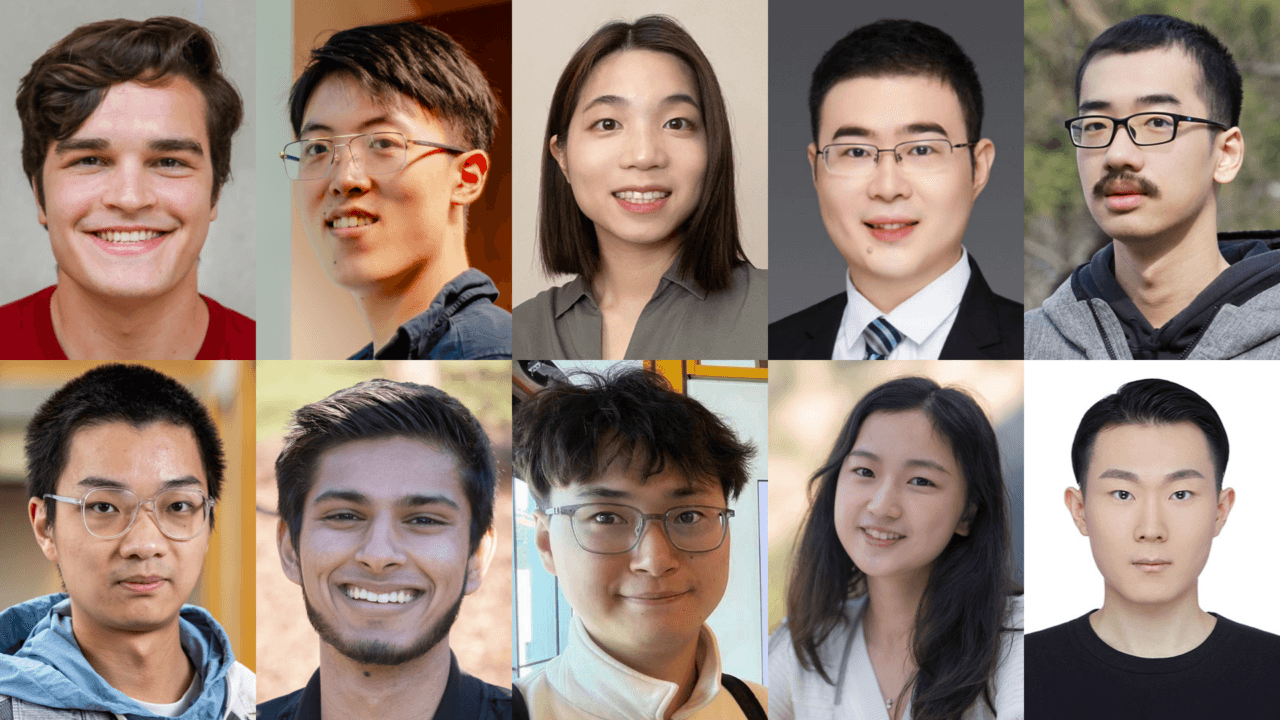
NVIDIA Opens Applications for 2027–2028 Graduate Fellowships With Awards Up to $60,000
The NVIDIA Graduate Fellowship Program is now accepting applications for its 2027-2028 cycle, offering financial support of up to $60,000 for doctoral students engaged in innovative research related to AI and advanced technologies. This initiative not only provides essential funding but also mentorship and technical resources, which can significantly enhance the academic and professional prospects of students in Africa. With a focus on fields such as healthcare and robotics, the program presents an important opportunity for learners and educators to advance their skills and contribute to the global tech landscape.
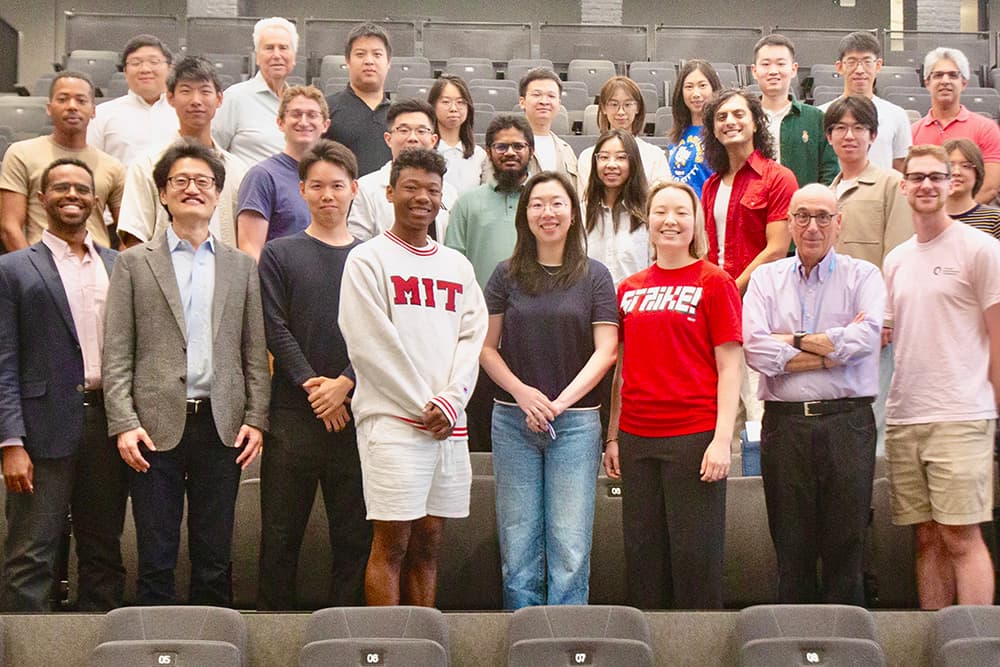
MIT Transit Lab to develop an AI platform for public transit agencies
The MIT Transit Lab has secured $2.1 million from Google.org to develop the Public Transit Intelligence Hub (PTIQ), an AI platform designed to enhance the efficiency of public transportation systems. This initiative aims to unify real-time monitoring and communication within transit agencies, ultimately improving decision-making for transit staff and providing passengers with timely information. As public transport is crucial for many learners and educators, advancements like PTIQ could significantly enhance their daily commuting experiences and overall access to education.

Introducing SynthID Bio
The introduction of SynthID Bio represents a significant advancement in synthetic biology, allowing for the watermarking of AI-generated proteins without compromising their biological function. This technology enhances biosecurity and scientific integrity, addressing challenges posed by novel AI designs that could mislead research and public databases. For educators and learners in Africa, understanding and utilizing such innovations could foster advancements in biotechnological research and applications, ultimately contributing to improved health outcomes and scientific knowledge.

From Training to Production, NVIDIA and CoreWeave Close the Loop on Agentic AI
NVIDIA and CoreWeave have launched the Vera Rubin NVL72 systems, a significant advancement in AI infrastructure that enhances training and production capabilities for AI applications. This development is crucial for educators and learners in Africa, as it promises faster and more efficient AI tools that can improve the learning experience and support innovative teaching methods. With CoreWeave's new platforms, schools and educational institutions can leverage cutting-edge technology to enhance STEM education and foster a new generation of tech-savvy students.

This game-playing AI is the new champ at Stratego
A groundbreaking AI developed by researchers from leading universities has achieved a significant milestone by outperforming top human players in the strategy game Stratego, which involves hidden information. This advancement in AI could provide valuable insights for learners and teachers, as it demonstrates potential applications in real-world scenarios such as business negotiations and cybersecurity, where decision-making often relies on incomplete information. The implications of this technology extend beyond gaming, suggesting a future where AI tools can enhance critical thinking and strategic planning skills in educational settings across Africa.

The effects of an “algorithmic monoculture” depend on the details
The increasing reliance on AI algorithms in hiring processes raises important questions for educators and learners in Africa about fairness and inclusivity. While some researchers argue that algorithmic monoculture could lead to systematic exclusion of qualified candidates, others suggest that the integration of diverse algorithms might mitigate these risks. Understanding these dynamics is crucial for teachers and students, as it highlights the need for critical engagement with technology and its implications for future employment opportunities.