BLOG
AI news & insights
The latest in artificial intelligence, curated from trusted sources for learners across Africa.

Introducing Claude Haiku 5.5
Claude Haiku 5.5 has been launched as an affordable and efficient AI model, offering significant cost savings and enhanced performance for educational tasks such as summarization and data analysis. This model is particularly beneficial for teachers and learners in Africa, as it enables quicker processing of information and supports the development of interactive learning tools. The introduction of adjustable settings allows users to optimize for either cost or intelligence, making it a versatile option for diverse educational needs.
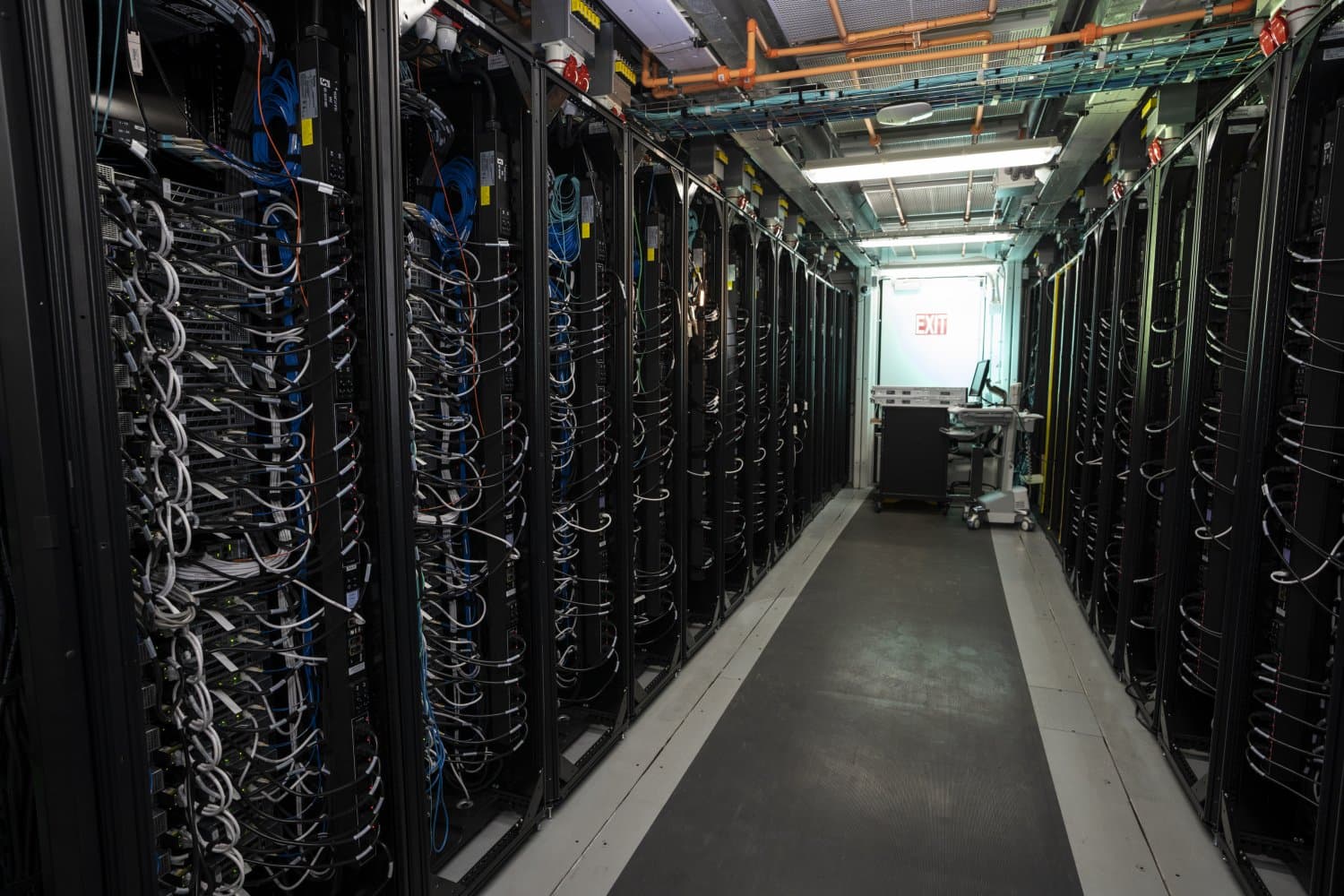
Supercomputing researchers document evolution of AI hardware
The ongoing development of AI accelerators is crucial for enhancing technological capabilities in various fields, including education. As researchers continue to document and compare the performance of these specialized systems, it becomes essential for African educators and learners to stay informed about the latest advancements, which can significantly impact teaching methods and learning experiences. Understanding these technologies can help institutions better integrate AI into their curricula and research, fostering a more innovative and competitive educational landscape.

EmbeddingGemma 2: an open, lightweight multimodal embedding model
EmbeddingGemma 2 represents a significant advancement in multimodal embedding technology, allowing educators and learners to seamlessly integrate text, images, audio, and video into a unified framework on local devices. This model enhances on-device performance and storage efficiency, making it an ideal tool for developing educational applications that require fast and accurate information retrieval, thereby supporting interactive and engaging learning experiences. The ability to process diverse media types simultaneously can greatly benefit teachers in creating comprehensive and resource-rich educational content.

Chris Bourg named vice provost and Barbara K. Ostrom (1978) Director of the MIT Libraries
Chris Bourg has been appointed as vice provost and director of the MIT Libraries, a role that underscores the libraries' critical function in advancing access to knowledge in the digital age. Her leadership emphasizes the importance of open scholarship and equitable access to information, which are vital for educators and learners. With a new endowment supporting this position, the MIT Libraries are poised to enhance their support for teaching and research, fostering a more inclusive academic environment.
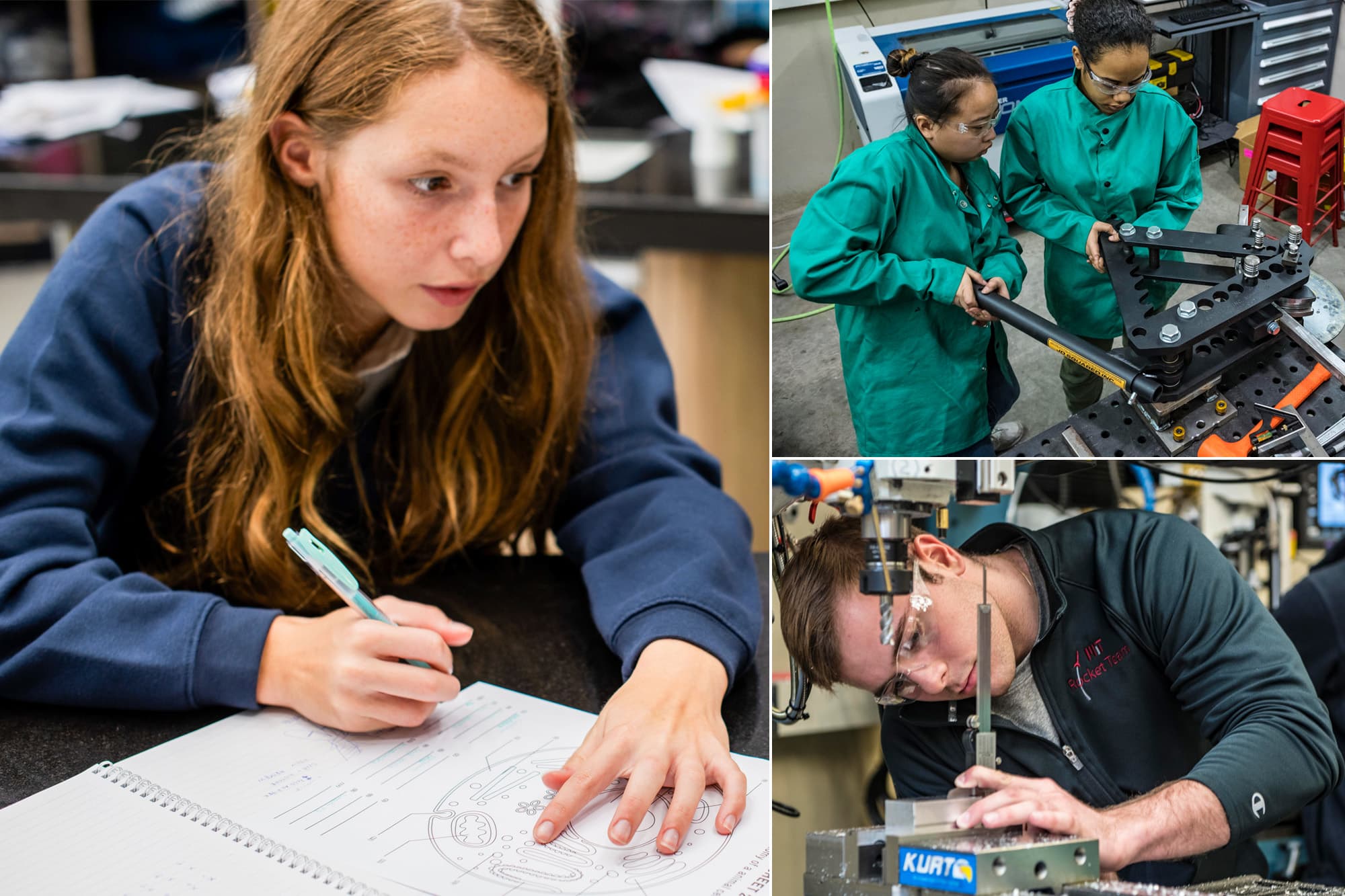
MIT announces the MIT for America initiative, to strengthen STEM education across the country
MIT has launched the MIT for America initiative to enhance STEM education across the United States, addressing a critical need for improved access and engagement in these fields. By developing scalable programs that provide direct support to learners and educators, the initiative aims to equip students from kindergarten to community college with essential skills in STEM and AI, fostering innovation and economic mobility. This effort highlights the importance of community involvement and hands-on learning in preparing the next generation for a rapidly evolving job market.

Why Telecom Operators Are Building Their AI Strategy on Open Models
Telecom operators are increasingly adopting open AI models to enhance their services, which is significant for educators and learners in Africa as it promotes access to advanced technologies at lower costs. This shift allows for customized AI applications that can support local educational initiatives and improve communication infrastructure. By leveraging open models, telecom companies can develop tailored solutions that align with regional needs, ultimately contributing to the growth of digital literacy and innovation in the education sector.
Expanding the Cyber Verification Program
The expanded Cyber Verification Program (CVP) introduces new access tiers for security professionals, providing them with advanced cyber capabilities essential for safeguarding systems. This initiative is significant for educators and learners in Africa, as it emphasizes the importance of robust cybersecurity measures in educational institutions, enabling them to protect sensitive data and enhance digital literacy. By equipping security teams from universities and organizations with better tools, the program aims to foster a safer online environment for both teaching and learning.

From Scan to Treatment Plan, AI Helps Close Breast Cancer’s Deadliest Gaps
AI innovations in breast cancer detection and treatment are addressing significant gaps in healthcare, particularly for women over 40, who often miss essential screenings. Startups like iSono Health are leveraging AI to streamline imaging processes, enabling faster and more accurate diagnoses through advanced ultrasound technology. These developments not only improve access to care but also enhance the decision-making capabilities of clinicians, ultimately benefiting learners and teachers by fostering a healthier community and reducing the burden of late-stage diagnoses.

Computational tools for society’s most complex challenges
Cathy Wu's work in applying machine learning and reinforcement learning to transportation systems highlights the potential for technology to address complex societal challenges. By improving the efficiency and safety of transportation, her research not only benefits urban planners and governments but also enhances the daily lives of learners and teachers who rely on these systems for their mobility. This intersection of education, technology, and civic responsibility underscores the importance of equipping future generations with the skills to innovate and solve real-world problems in their communities.