BLOG
AI news & insights
The latest in artificial intelligence, curated from trusted sources for learners across Africa.

Who we become when we talk to machines
The increasing reliance on chatbots for emotional support raises significant concerns for learners and teachers in Africa, as it may undermine essential human connections and interpersonal skills. MIT Professor Sherry Turkle warns that while chatbots may provide a semblance of empathy, they cannot replace the nuanced understanding and support that real relationships offer. This trend highlights the importance of fostering authentic communication and emotional intelligence among students and educators, particularly in an era where social connectivity is crucial for personal development.

Watch the winning trailer from the Future Vision XPRIZE, The Gifted.
The grand prize winner of the Future Vision XPRIZE, Jeff Synthesized, showcases the potential of technology to foster empathy and community connection in his film, The Gifted. This initiative highlights the importance of storytelling in education, encouraging learners and teachers across Africa to explore how technology can enhance human relationships and address societal challenges. With significant funding for production, this project can inspire future generations to think creatively about the intersection of technology and compassion.

New formulation helps RNA vaccines withstand high temperatures
Recent advancements in RNA vaccine technology, particularly from researchers at MIT, have led to the development of formulations that can withstand higher temperatures, eliminating the need for ultracold storage. This breakthrough not only facilitates the wider distribution of vaccines in regions lacking cold-storage facilities but also paves the way for innovative delivery methods, such as microneedle patches. For educators and learners in Africa, this development highlights the potential for improved vaccine access and public health outcomes, which are crucial for combating diseases like Covid-19 and cancer.
Introducing Claude Sonnet 5.5
Claude Sonnet 5.5 has been released as a significant upgrade in the AI model family, boasting over 30% faster performance and reduced costs for everyday tasks, which could greatly benefit both learners and teachers in Africa. Its enhanced capabilities in creating polished documents and collaborating effectively make it a valuable tool for educational settings, while its affordability can help institutions optimize resources. With built-in cybersecurity measures, Sonnet 5.5 also addresses safety concerns, ensuring a reliable learning environment as educational technology continues to evolve.
Introducing Gemini 3.8 Live with Live Avatar
Gemini 3.8 Live with Live Avatar introduces a significant advancement in conversational AI, offering real-time visual interaction that enhances communication in educational settings. This technology allows educators and learners to engage in more dynamic and interactive conversations, improving understanding and accessibility. By supporting multiple languages and providing a natural visual presence, it holds the potential to transform remote learning experiences across diverse African contexts.
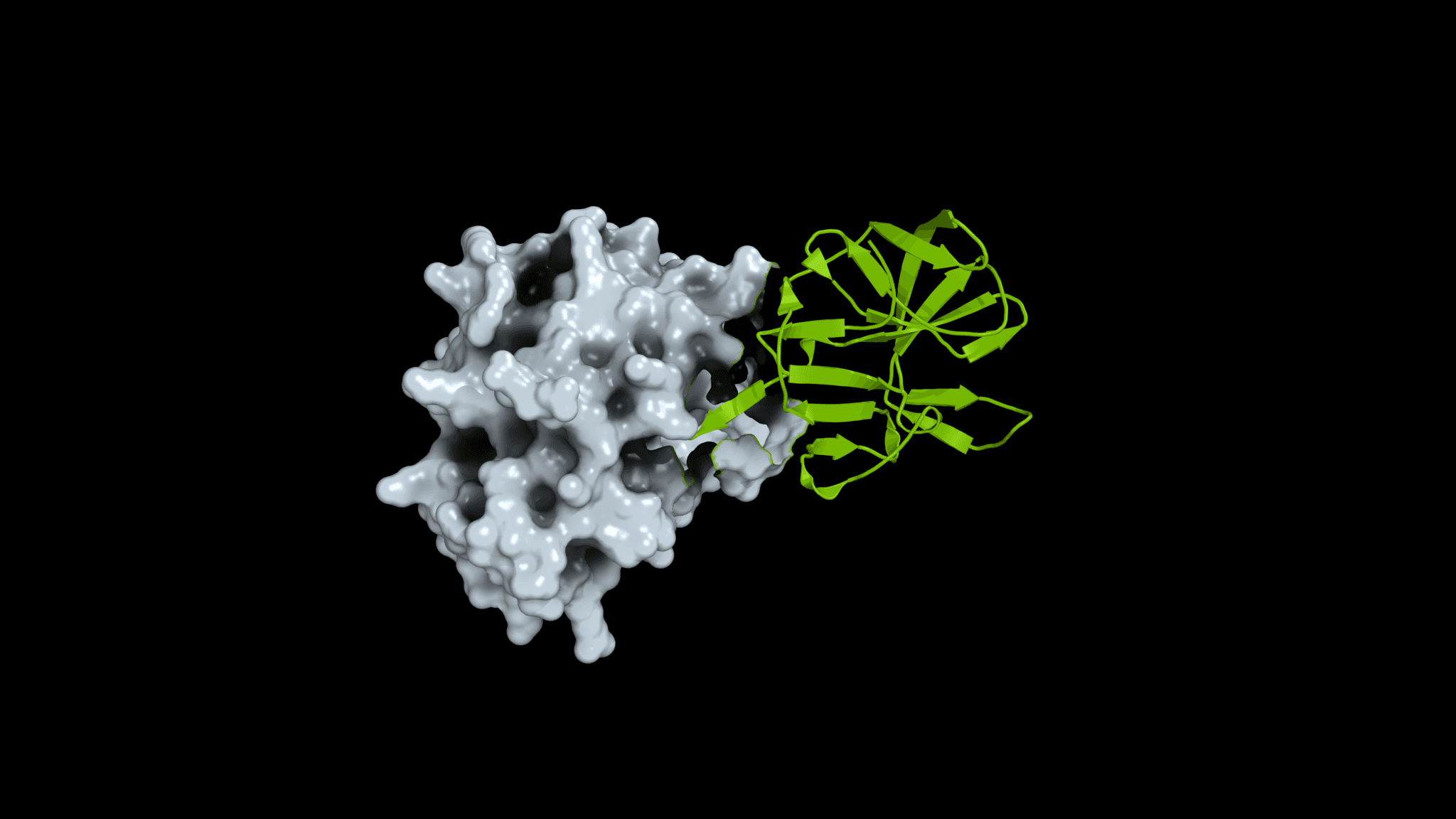
How Open Science Can Help Researchers Prepare for the Next Pandemic
The collaborative effort among NVIDIA, Google DeepMind, and other research organizations to create an open-access database of predicted 3D structures for over 2,800 viral protein complexes is a significant advancement for the scientific community. This initiative aims to equip researchers with essential tools and insights needed to prepare for future pandemics, emphasizing the importance of accessible scientific knowledge for both learners and educators in Africa. By democratizing access to foundational biological data, this project not only fosters innovation but also enhances the capacity of local scientists to contribute to global health preparedness.

Contain the Chaos: ‘CONTROL Resonant’ Launches on GeForce NOW
The launch of CONTROL Resonant on GeForce NOW presents an exciting opportunity for learners and teachers in Africa to engage with advanced cloud gaming technology, enhancing their understanding of interactive media. This development not only allows users to access high-quality gaming experiences without the need for expensive hardware but also introduces new educational potentials through gamified learning and storytelling. The upcoming support for Googlebooks further emphasizes the importance of integrating technology in education, making powerful tools more accessible to a wider audience.

Google Beam expands with new regions, partners, and customers
Google Beam's expansion into five new countries, along with partnerships to enhance its reach, is significant for educators and learners across Africa. This technology promises to facilitate authentic connections and collaboration in educational settings, potentially improving engagement and communication among students and teachers. As more institutions adopt such innovations, the opportunity for enhanced learning experiences and efficient administrative processes increases, paving the way for a more interconnected educational landscape.

Advancing Private AI Compute with secure, server-side memory
Recent advancements in Google's Private AI Compute architecture aim to enhance AI capabilities while ensuring user privacy. By introducing a secure, server-side memory system, the technology allows AI to retain essential information across devices without compromising data security, which is particularly important for learners and educators who rely on personalized, continuous support. This development not only addresses privacy concerns but also facilitates more powerful and intuitive educational tools, ultimately benefiting the teaching and learning experience across Africa.