BLOG
AI news & insights
The latest in artificial intelligence, curated from trusted sources for learners across Africa.

Gemini 4 Argon for Robotics
Gemini 4 Argon represents a significant advancement in robotics, showcasing enhanced capabilities in physical understanding and problem-solving within 3D environments. This development is particularly relevant for educators and learners in Africa, as it opens new avenues for integrating robotics into curricula, fostering skills in critical thinking and innovation. By utilizing Argon's general-purpose reasoning model, teachers can better prepare students for future careers in technology and engineering, ultimately contributing to the continent's growth in these fields.

Gemini 4 Argon: Built to solve your hardest problems
Gemini 4 Argon, Google's latest AI model, is now available to developers and enterprises, offering enhanced capabilities for tackling complex tasks in fields such as coding, finance, and cybersecurity. This advancement is significant for educators and students, as it promises to streamline workflows, enhance learning experiences, and foster innovation in critical sectors. By harnessing Argon's precision and efficiency, schools and institutions can better prepare learners for the demands of the modern economy.

Gemini 4 Argon: Built to solve your hardest problems
Gemini 4 Argon, Google's latest AI model, is now available globally and designed to tackle complex problems across various fields, including finance, coding, and science. This tool aims to enhance productivity for educators and learners by streamlining workflows and accelerating research, potentially leading to significant advancements in technology and education. Its capabilities could empower teachers and students to engage in deeper, more effective problem-solving, fostering innovation in the African educational landscape.
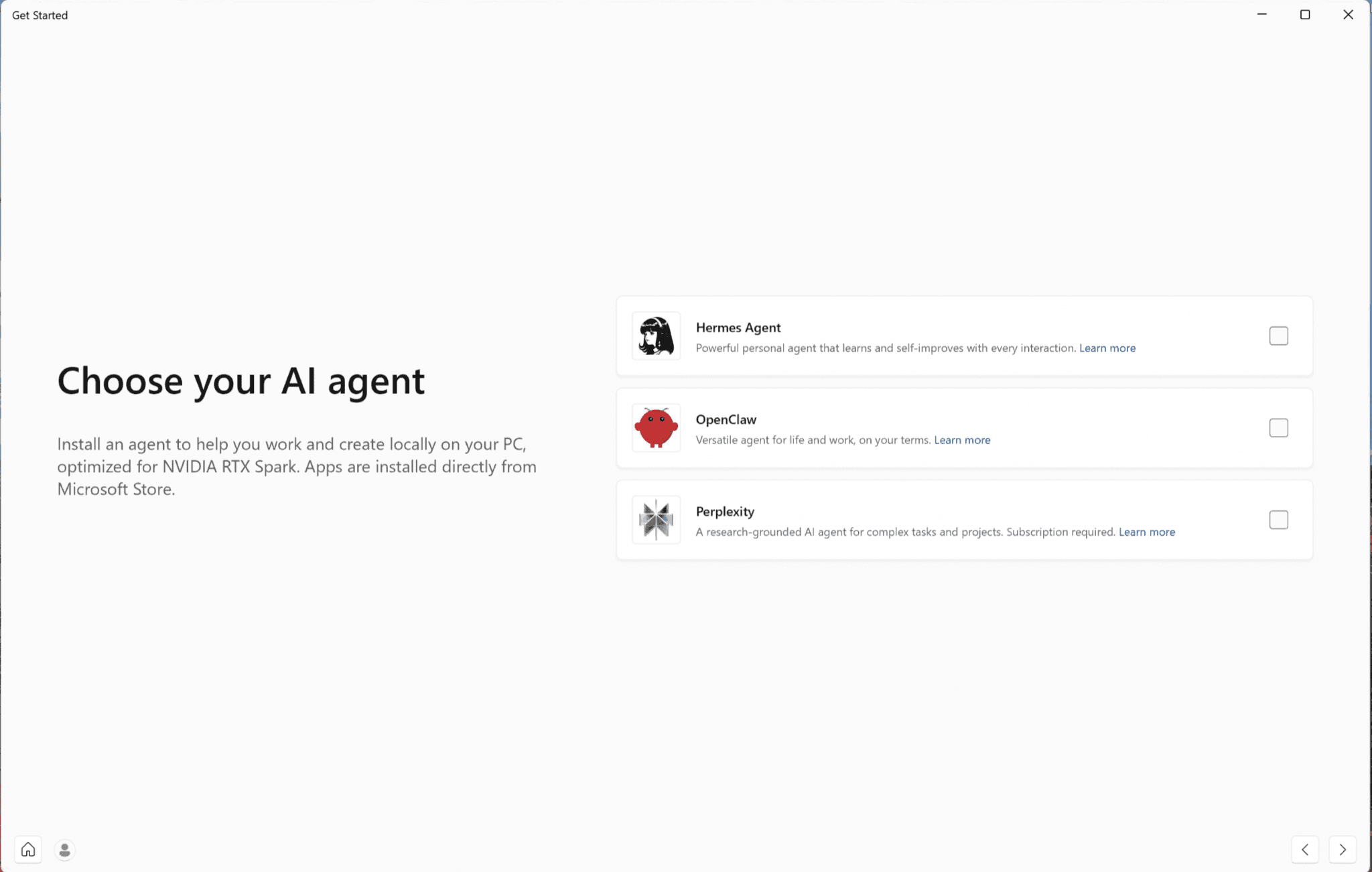
All Systems Go: Global PC App Ecosystem Ready for NVIDIA RTX Spark
The launch of NVIDIA RTX Spark marks a significant advancement in personal computing, combining gaming, creative, and AI capabilities into a single powerful superchip. This technology enhances the tools available for learners and educators, enabling improved performance in creative applications like Adobe software and providing access to advanced AI-driven educational resources. As schools and institutions embrace these innovations, they can better equip students and teachers with the skills necessary for a rapidly evolving digital landscape.

NVIDIA Announces New Investments in France’s Startups
NVIDIA's recent investments in French startups highlight the growing integration of advanced technologies in various sectors, including healthcare and materials science, which is crucial for fostering innovation and enhancing educational outcomes. As these companies develop solutions that improve access to healthcare and streamline business operations, they provide valuable case studies for African educators and learners, showcasing the transformative potential of technology. This investment underscores the importance of nurturing local talent and infrastructure to prepare students for a rapidly evolving job market.
Q&A: Building accountability behind our words — and AI’s — in civic conversations
As artificial intelligence increasingly influences civic conversations, the challenge of ensuring accountability for AI-generated statements becomes crucial for learners and educators. The use of AI to produce realistic feedback can obscure the distinction between genuine public input and fabricated responses, raising concerns about the integrity of policy discussions. Emphasizing responsible communication and fostering environments where individuals can critically engage with AI outputs is essential for building trust in educational and civic settings across Africa.

NVIDIA Opens Up AI Infrastructure to Scale AI Factories Globally
NVIDIA's recent announcements at the OCP Global Summit highlight the importance of open standards in scaling AI infrastructure, which is crucial for the future of education and technology across Africa. By contributing to the development of the Vera Rubin architecture and various AI factory designs, NVIDIA is paving the way for more efficient and reliable AI systems that can enhance learning experiences and teaching methodologies. This collaborative approach not only fosters innovation but also ensures that educators and learners have access to cutting-edge resources that can drive educational advancements on the continent.
3 Questions: What is the best path forward for AI in academia?
As artificial intelligence rapidly evolves, educators and learners in Africa must recognize its transformative impact on academia, particularly in fields like mathematics and engineering. Universities should adapt their evaluation and training methods to reflect the changing landscape, emphasizing critical thinking and intellectual responsibility over traditional metrics of success. Embracing AI as a collaborative tool can enhance research opportunities and foster a deeper understanding of complex problems among students and faculty alike.

Navigating the Role of AI in Academic Research and Education
The rapid advancements in artificial intelligence are transforming academia, particularly in fields like mathematics and engineering, prompting universities to rethink how they assess student contributions and academic credit. As AI systems increasingly outperform human abilities in generating research and solving complex problems, it becomes essential for educators to adapt their teaching and evaluation methods to prioritize critical thinking and problem formulation skills. This shift will not only enhance the learning experience for students but also prepare them for a future where collaboration with AI is integral to research and innovation.