BLOG
AI news & insights
The latest in artificial intelligence, curated from trusted sources for learners across Africa.

Gemini 3.8 text-to-speech says hello
Gemini 3.8 introduces advanced text-to-speech models that allow educators and learners to create expressive audio experiences tailored to diverse educational needs. With the ability to generate custom voices and control various vocal characteristics, these tools can enhance learning materials, making them more engaging and accessible across different languages and dialects. This innovation not only supports creative projects in education but also empowers teachers to deliver content in dynamic and relatable ways, fostering better communication and understanding in the classroom.

Sakeena Fiza Helps NVIDIA Hardware Succeed at Scale
Sakeena Fiza's role as a validation engineer at NVIDIA highlights the critical importance of rigorous testing and quality assurance in the development of AI hardware, which directly impacts the reliability of technology used in education and other sectors. Her work ensures that systems are resilient and function correctly before they reach consumers, ultimately benefiting learners and teachers who rely on advanced technologies for educational purposes. Fiza's journey from a coding enthusiast to a key player in hardware validation serves as an inspiring example for aspiring engineers in Africa, emphasizing the diverse opportunities within the tech industry.

At AI Day Singapore, NVIDIA and Partners Showcase AI Advancements Across Southeast Asia
The recent NVIDIA AI Day in Singapore highlighted significant advancements in artificial intelligence across Southeast Asia, showcasing tools and training that can enhance educational and public sector capabilities. For learners and teachers in Africa, such developments underscore the importance of integrating AI into local education systems, potentially improving access to resources and fostering innovation. As governments prioritize AI for national growth, the emphasis on culturally relevant technology could inspire similar initiatives that empower African nations in their educational journeys.

Claude discovers a novel enzyme system with CRISPR-like repeats
A new research initiative at Anthropic has successfully utilized AI to discover a novel enzyme system with characteristics similar to CRISPR, potentially paving the way for advancements in biotechnology. This innovative approach combines AI and human collaboration to enhance biological research, which is crucial for educators and students in Africa, as it highlights the importance of technology in scientific discovery and its implications for future educational curricula. Understanding such breakthroughs can inspire the next generation of scientists in Africa to explore biotechnology's vast possibilities.

Introducing Claude Opus 5.5
Claude Opus 5.5 has been launched as a cost-effective and high-performing AI model that significantly enhances productivity in complex tasks, making it particularly beneficial for educators and learners in Africa. With a 40% reduction in operational costs compared to its predecessor, this model not only improves efficiency in coding and software development but also comes with advanced safety features, ensuring responsible use in educational settings. Its faster processing capabilities and lower pricing make it an accessible tool for schools and institutions aiming to integrate AI into their curricula.

The Situation Report
In the Democratic Republic of the Congo, a significant response effort is underway to combat a rare strain of Ebolavirus, with community health workers playing a crucial role in tracking and managing cases. The integration of advanced data analysis tools, such as AI, aims to enhance the speed and accuracy of outbreak responses, which is essential for protecting both learners and teachers in affected areas. Swift access to reliable health information can ultimately save lives and ensure safer school environments during health crises.
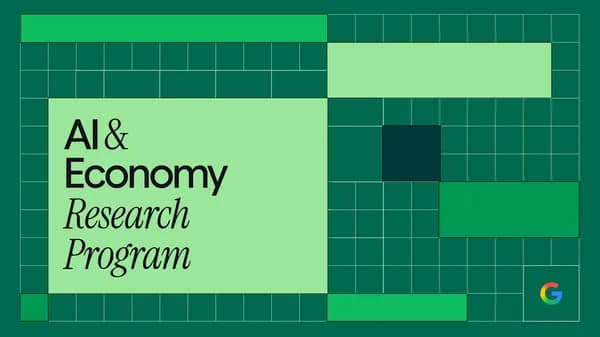
New experts join Google’s AI & Economy team
Google's AI & Economy program has welcomed notable experts, including Nobel Laureates and esteemed researchers, to enhance understanding of AI's influence on economic activities. This initiative is crucial for educators and learners, as it aims to provide insights into how AI is reshaping the workforce and productivity, thereby equipping them with knowledge to adapt to these changes in a rapidly evolving job market. By fostering collaboration among academia, industry, and policymakers, the program seeks to inform strategies that support effective integration of AI in educational and professional contexts across Africa.

Co-creating the future of fashion with Google
Innovative tools developed by Google’s Envisioning Studio are transforming the fashion design process, allowing designers to streamline their workflows and focus more on creativity. By utilizing Google Flow, designers can create virtual models and staging setups, significantly reducing time spent on administrative tasks and budget constraints. This advancement not only enhances the educational experience for aspiring fashion professionals but also showcases the potential of technology to drive efficiency in creative industries across Africa.
Partnering with Accenture on embedded evaluation
The partnership between Anthropic and Accenture to implement embedded evaluation of frontier AI models highlights a significant development in ensuring accountability and safety in AI technologies. This initiative, which involves independent evaluators working closely within AI companies, aims to enhance transparency and risk assessment, ultimately benefiting educators and learners by fostering a more secure and responsible AI environment. As these evaluators gain insight into the AI development process, they can provide valuable feedback that not only informs best practices but also supports the ethical integration of AI in educational settings.