BLOG
AI news & insights
The latest in artificial intelligence, curated from trusted sources for learners across Africa.

Making global data easier to explore
The launch of the UN System Data Commons provides an open, AI-ready platform that consolidates critical global statistics, making it easier for educators and learners in Africa to access and analyze vital data. This resource enables users to explore interconnected datasets on issues like health and education, promoting informed decision-making and evidence-based solutions to local challenges. By simplifying data access through natural language queries, it empowers teachers and students to engage with data-driven insights that can directly impact their communities.
Introducing the Life Sciences Verification Program
The launch of the Life Sciences Verification Program (LSVP) provides life science professionals in Africa with enhanced access to advanced AI models for critical research tasks, such as drug discovery and clinical development. This initiative not only supports academic institutions and startups but also ensures that ethical standards are upheld through a rigorous verification process. By facilitating the use of sophisticated tools in biological research, the LSVP aims to advance scientific innovation and improve educational outcomes in the life sciences across the continent.
Introducing Gemini 3.8 Live and 3.8 Live Extended Thinking
Gemini 3.8 Live and Gemini 3.8 Live Extended Thinking represent significant advancements in AI dialogue technology, enhancing voice interactions for learners and educators. These models enable more intuitive and intelligent conversations, facilitating complex task execution through voice commands, which can greatly benefit classroom dynamics and learning processes. By improving accessibility and efficiency in communication, these tools support both teachers and students in navigating educational challenges more effectively.

Building AI to accelerate science and improve lives
Recent advancements in AI are poised to enhance education and scientific research across Africa by improving disease detection, predicting natural disasters, and expanding learning opportunities. With tools that now support over 300 languages, these technologies can foster global collaboration and address local challenges, ultimately aiming to improve the quality of life and economic prospects for learners and educators alike. As AI continues to evolve, it is crucial for African stakeholders to engage with these innovations to harness their full potential for societal benefit.
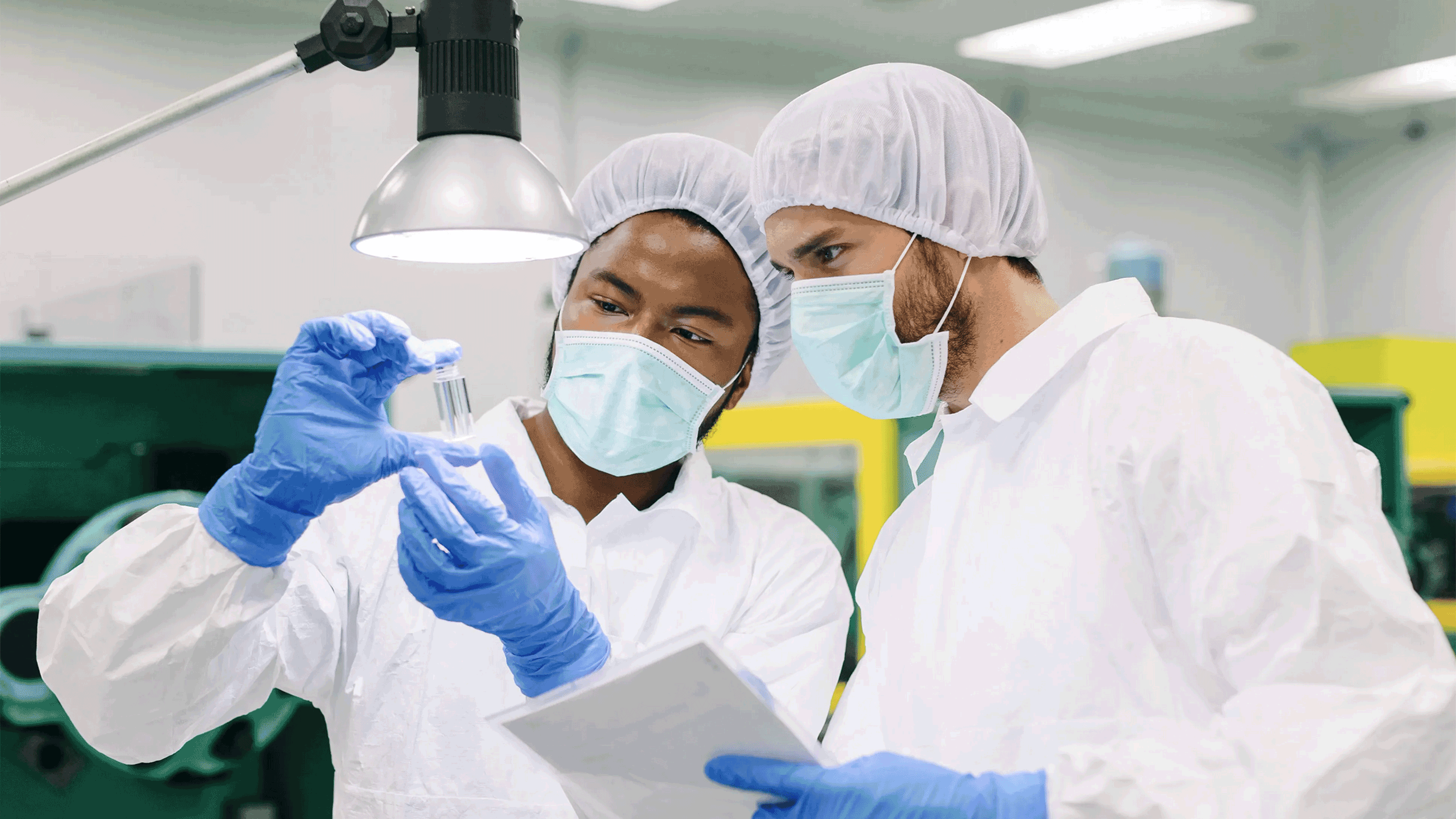
AI for Societal Impact
The advancements in artificial intelligence are increasingly translating into real-world solutions that can benefit learners and educators across Africa. By harnessing AI for critical issues such as disease management, disaster prediction, and educational enhancement, communities are unlocking new opportunities that can improve the quality of life and learning outcomes. This shift towards practical applications of AI underscores the importance of integrating technology in education to empower future generations.

AI for everyone in every language
Advancements in AI language technology are set to enhance communication for learners and educators across Africa, as tools like Google Translate now support over 300 languages, representing a significant portion of the global population. This progress not only facilitates access to educational resources in diverse languages but also acknowledges the cultural nuances essential for effective learning. By improving real-time translation and speech recognition capabilities, these technologies empower individuals to engage and collaborate more meaningfully in their native languages, fostering inclusivity in education.
New insights from Google’s AI & Economy ATLAS
Recent advancements in Google’s AI & Economy ATLAS provide valuable insights into how various professions globally are adopting AI, which can inform educators and learners about emerging skills and job market trends. Notably, the data reveals that artistic and creative fields in countries like India are leveraging AI significantly, while scientists report substantial time savings through daily AI use. Understanding these patterns is crucial for educators in Africa as they prepare students for a workforce increasingly shaped by technology.

Watch astronaut Christina Koch and Google’s James Manyika discuss space, technology, and discovery.
NASA astronaut Christina Koch and Google’s James Manyika recently engaged in a conversation highlighting the intersection of space exploration, technology, and education. Their discussion emphasizes the importance of collaboration between humans and AI, offering insights that can inspire both learners and educators to embrace innovation and exploration in their own fields. Koch's experiences and advice encourage future generations to confront challenges and support one another, essential qualities for success in any educational endeavor.
DevFest is back
DevFest 2026 is set to take place from October 1 to December 31, bringing together nearly a million developers worldwide for hands-on experience with Google’s AI technologies. This community-led conference emphasizes practical skills, security, and responsible AI, offering learners and teachers access to cutting-edge tools and collaborative environments that can enhance their educational and professional development. With over 800 events planned across 115 countries, DevFest provides an invaluable opportunity for African educators and students to engage with the latest in technology and innovation.